

Only three years ago, a company's ability to write good code was a real competitive advantage. Today, with models like Claude, GPT, and Gemini, almost anyone can produce a functional application in hours. The shift looks like a threat to the software industry. It is not. It is a redistribution of value — from execution to understanding.
What Made Code an Advantage in the First Place
For decades, owning a great programmer was a competitive advantage because writing good code required years of training. Firms that hired the best engineers shipped better products, and better products yielded better revenues. This equation only works while supply is scarce.
Supply is no longer scarce. I can ask Claude to draft a full authentication flow with modern security patterns in minutes. A junior can achieve in a day what once took a senior a week. This does not make the senior worthless. It means their value has migrated somewhere else.
Where Did the Value Go?
1. Defining the right problem
AI is superb at solving a well-posed problem, and mediocre at discovering the real one. When a client walks in asking for "an app like Uber," the question an AI cannot ask is: "Is your problem really the app, or is it your business model?" Correctly defining the problem becomes the new edge.
2. Reading a market as a human
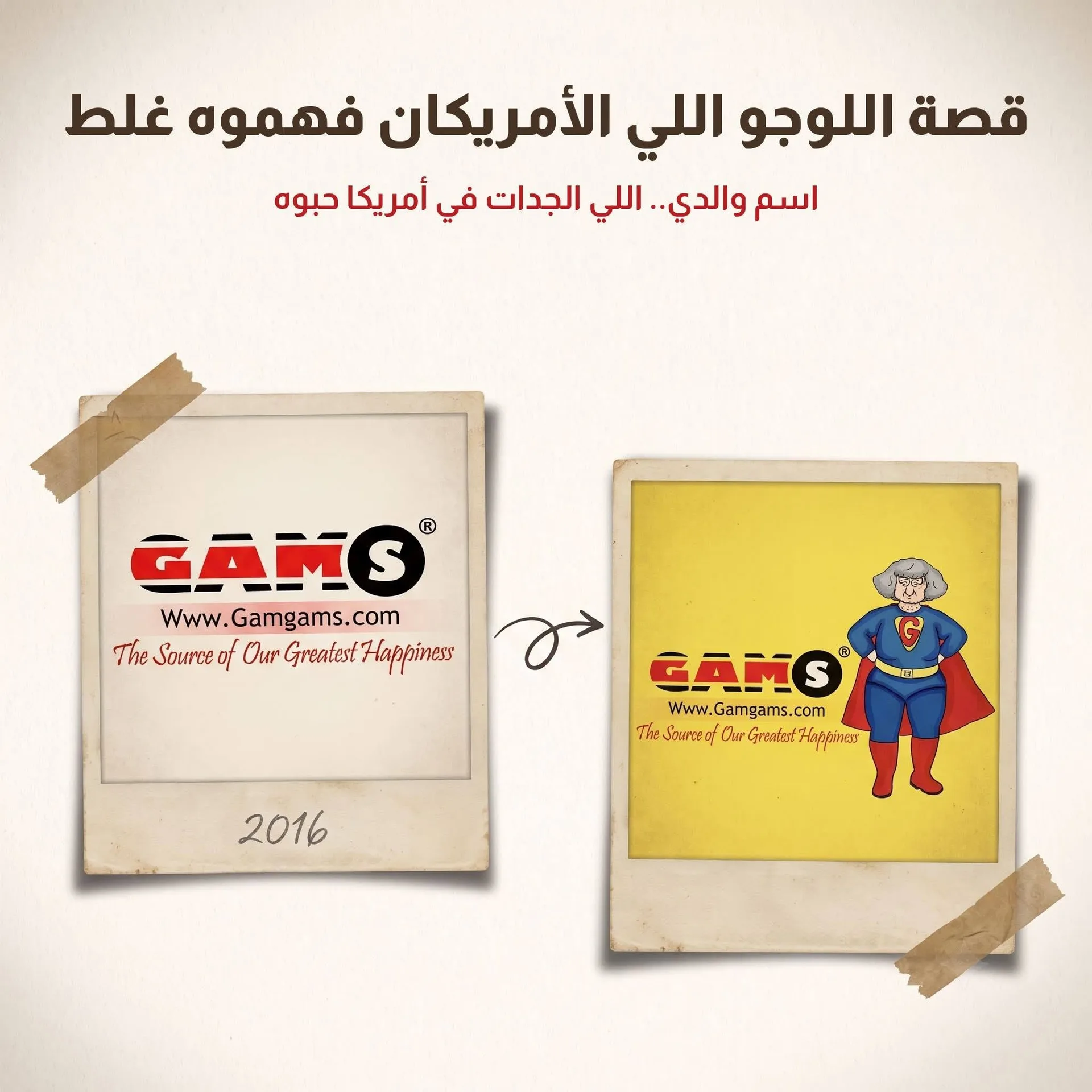
AI reads numbers. Humans read signals. When I noticed that American women over sixty were the ones buying from my GAMGAMS store — not because I intended to sell to grandmothers, but because the name means "grandma" in American colloquial English — no model would have surfaced that insight for me. You need someone who understands both cultures to catch it.
3. Ethical choices
Do you ship a feature that pressures the user with a five-minute countdown on a "limited offer"? Technically the feature works, and it lifts conversion. But is it ethical? An AI cannot answer that — because ethics is not a calculation, it is a values decision. The people who make those decisions build brands that last.
Cultural Translation, Made Concrete
When we built Buy Egypt, we could have cloned the Amazon or Noon layout. Technically, it was weeks of work. But a translated Amazon would fail in Egypt, because it would treat the Egyptian merchant as if she were American.
Egyptians do not shop the way Americans shop. An Egyptian buyer wants contact first — questions, details, a chance to negotiate if the item warrants it. So we added a "call the merchant directly" button as a primary action, right next to "add to cart." Conversion rose thirty percent.
Translation is not converting text from one language to another. It is converting an experience from one cultural context to another.
What This Means for the Arab Founder
Do not compete on execution
If your competitive plan is "we ship better technology," you will lose. AI has commoditized execution. Compete on understanding — who knows my customer better than I do? If nobody does, you are in a strong defensive position.
Invest in field knowledge
Spend days with your customer inside their shop, their factory, their office. The observations you gather there will never reach an AI, because they are not in any dataset. They live in the sigh a client lets out when you mention a technical term she doesn't understand.
Build hybrid teams
Engineer + anthropologist + marketer. The unconventional mix is the edge. Teams composed only of engineers ship technically precise products that are humanly empty.
The Takeaway
The twentieth century rewarded companies that could execute. The twenty-first rewards companies that can understand. The AI era amplifies that reward: whoever understands deeper wins bigger, and whoever competes on execution alone becomes a cheap commodity.
Cultural translation is not a "nice-to-have." It is the last remaining moat in front of the automation wave. Founders who invest in it today are building companies that will hold for the next decade. Founders who ignore it are building companies that the next model will replace.


Comments(0)